Introduction: Tracing the Path of African Gold
Africa is the world’s gold powerhouse, accounting for roughly 25% of global gold production. But for international buyers, understanding how that gold moves from the earth to a gold bar for sale in a Dubai or Singapore vault is essential—not just for logistics, but for security and legal compliance. The journey of raw gold suppliers and African gold exporters is complex, involving industrial mining, artisanal labor, strict regulations, and sophisticated logistics. This guide is your authoritative resource on the lifecycle of 24K gold bars, from mine to market in 2026. Whether you are looking to buy gold bullion, source gold nuggets for sale, or partner with gold dust suppliers for refining companies, understanding this supply chain is your first step to a secure transaction. How African Gold is Sourced and Exported | 2026 Industry Guide
Chapter 1: The Source – Where African Gold Comes From-How African Gold is Sourced and Exported | 2026 Industry Guide
Africa’s gold wealth is concentrated in a few key geological belts, primarily in West, East, and Southern Africa. Understanding where certified gold exporters in Africa obtain their product helps buyers assess risk and origin.
The Birimian Belt: West Africa’s Gold Heartland
The Birimian Greenstone Belt, stretching across Ghana, Mali, Burkina Faso, Côte d’Ivoire, and Guinea, is one of the world’s most prospective gold-bearing geological formations. Major mining operations such as Obuasi and Tarkwa in Ghana demonstrate the scale of gold mineralization found within this system. Ghana consistently ranks among the top ten gold-producing countries globally, producing well over 100 tonnes of gold annually in recent years. Behind every new discovery lies extensive exploration drilling, which provides the geological data that determines whether a mineral occurrence can become a viable mining project.
East Africa’s Emerging Corridor
The gold corridor formed by Tanzania, Uganda and the Democratic Republic of Congo (DRC) is one of the fastest-growing gold trade zones in the world. Tanzania is currently the most stable and compliant gold-exporting jurisdiction in East Africa, with over 60 tonnes of refined and dore gold exported annually. Uganda is becoming a significant regional gold hub due to large-scale refineries in Entebbe and Kampala, while the DRC remains one of Sub-Saharan Africa’s largest gold producers, particularly in the Ituri and Kivu provinces. Many gold dust suppliers and raw gold suppliers originate from these regions, where logistics can be complex.
Chapter 2: How Gold is Mined – Two Parallel Worlds
The supply chain is split between two very different sectors: industrial large-scale mining (LSM) and artisanal small-scale mining (ASM). Approximately 65% of the gold bars that buyers purchase are sourced through LSM, which uses heavy machinery and extensive refinement on-site, while the remaining 35% comes from ASM.
Industrial Large-Scale Mining (LSM)
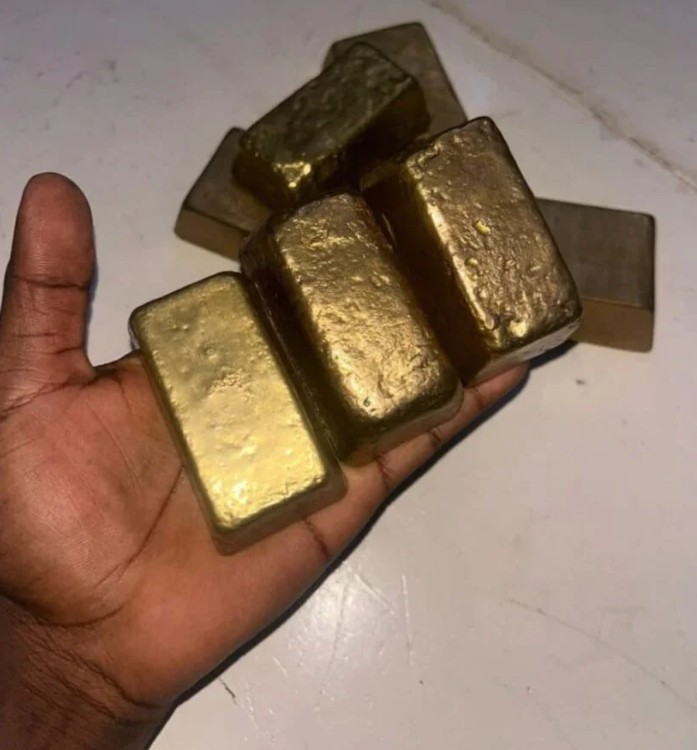
LSM is the domain of major international mining companies and state-backed firms. These operations involve massive capital investment, modern technology, and established infrastructure. In Ghana, gold is extracted from complex geological zones including Birimian greenstone belts and shear zones. Ore is processed and often shipped to direct gold suppliers to Dubai and Asia in the form of dore bars, which are unrefined bars roughly 80 to 90 percent pure gold.
Artisanal and Small-Scale Mining (ASM)
The ASM sector, often dismissed as informal, has become the backbone of several national economies. In 2025, the Ghana Gold Board (GoldBod) announced that the ASM sector had delivered an unprecedented 90 tons of gold and over $9 billion in export earnings, outperforming the large-scale mining sector for the first time in Ghana’s history. West Africa hosts some of the largest concentrations of artisanal gold mining activity in the world, with sites extending across Burkina Faso, Ghana, Guinea, Mali, Niger and Senegal.
However, ASM is not just a West African phenomenon. In East Africa, the DRC is rich in artisanal gold deposits, though it presents security risks, high informal mining activity, and complex logistics. For investors seeking where to buy unrefined gold nuggets in bulk, the ASM sector is often the source. But it requires heightened due diligence regarding formalization, environmental impact, and responsible sourcing.
Chapter 3: The Critical Role of Government Gold Boards
To combat smuggling and capture revenue, African nations are centralizing control of the gold supply chain.
In Ghana, the Ghana Gold Board Act, 2025 (Act 1140) gives the GoldBod the sole authority to grade, assay, weigh, value, purchase, sell, and export all ASM gold. Between February and May 2025 alone, GoldBod purchased and exported over 41.5 tonnes of gold from the ASM sector, with an export value of approximately US$4 billion. The official message to international buyers is clear: “If you are not buying gold from a large-scale mine in Ghana, you must be buying only from the GoldBod.”
This centralization creates a reliable channel for trusted African gold suppliers for export. It also means that buyers should insist on official assay reports issued by the National Assayer. Any deal bypassing these government bodies—particularly gold bars for sale offered at prices far below spot—is almost certainly smuggling or fraud.
Chapter 4: The Export Process – From African Soil to International Market
Understanding the export process is crucial for any buyer looking to buy raw gold bars direct from Africa. The general steps involve:
- Licensing: Only entities with a valid export license from the Ministry of Mines or central authority (such as Ghana’s PMMC or GoldBod, or Tanzania’s Mining Commission) are legally allowed to export gold.
- Valuation & Assaying: The gold must be weighed and assayed. In Tanzania, government-certified assays are required before shipment. In Ghana, all ASM gold must be processed through the National Assayer’s office.
- Tax & Royalty Payment: Governments collect export duties, royalties, or VAT. In Tanzania, a tiered royalty of 6% on gold sales, 1% for inspection fees, and 0.3% in government levies applies.
- Documentation: Exporters must provide customs declarations, a certificate of origin, a commercial invoice, a tax clearance form, and an assay certificate.
- Customs & Logistics: Secure logistics providers like Brinks prepare the gold for air freight. In Ghana, new digital systems have reduced customs clearance time from 10 days to just 48 hours.
For international buyers, the most secure route is often to deal with direct gold suppliers to Dubai and Asia who have already completed these steps and hold refined stock in secure vaults.
Chapter 5: The Role of LBMA Refiners & the Dubai Hub
While most African countries have local refineries, the global benchmark for purity is the LBMA Good Delivery list. This is the standard trusted around the world, guaranteeing metal quality in the market. The list currently includes only one African-based gold refinery: Rand Refinery in South Africa (which sources gold from Ghana, the DRC, and Tanzania). This has led to a massive flow of African gold dore heading to refineries in Dubai, Switzerland, and China for final processing into investment-grade 1kg gold bullion bars.
Dubai has become the world’s most important transit hub for African gold. Many certified gold exporters in Africa ship their “dore” to DMCC-licensed refiners in Dubai. Once refined into 999.9 purity bars, they become trusted African gold suppliers for export with stock ready for immediate international delivery.
Chapter 6: 2026 Regulatory & Sourcing Trends
For buyers, 2026 brings key updates to the African gold landscape that affect how and where you source.
- Resource Nationalism: African leaders from Mali to Zimbabwe are pushing for a larger share of mining revenues. Ghana has introduced higher royalty rates, and South Africa’s century-old Rand Refinery runs at reduced capacity as governments create their own local processing mandates.
- Traceability: New systems like GoldBod’s 2026 track-and-trace chain require every bar from the ASM sector to be documented from miner to airport. This is excellent news for buyers, as it significantly reduces the risk of purchasing conflict gold or smuggled bars.
- The Shift to East Africa: With Ghana tightening its centralized grip, many bulk gold bars for sale international delivery are now being sourced from Tanzania. The country is considered the safest entry point for foreign investors in gold trading, with clear export procedures via the Mining Commission.
- Direct to Seller: The safest way to buy gold bullion is to work with a direct gold supplier to Dubai and Asia. This eliminates exposure to corrupt port officials, local cartels, and complex customs clearance.
Chapter 7: How RawGoldBarsAsia.com Secures the Supply Chain
At RawGoldBarsAsia.com, we don’t just talk about sourcing—we actively verify the chain of custody for every gold bar for sale we match.
- We Vet at the Source: All raw gold suppliers and African gold exporters in our network are pre-vetted. We verify valid government export licenses directly with the issuing ministry and ensure compliance with the Ghana Gold Board Act or Tanzanian Mining Commission.
- We Demand LBMA Standards: We only partner with refiners who meet LBMA Good Delivery standards or partner with direct suppliers who hold stock in DMCC-licensed Dubai vaults. This guarantees that the 24K gold bars we deliver are investment-grade, 999.9 pure, and fully traceable.
- We Facilitate Secure Logistics: We coordinate the final step: logistics via Brinks or Malca-Amit, ensuring bulk gold bars for sale international delivery arrives safely at your preferred vault in Singapore, Zurich, or Hong Kong.
- We Educate Against Smuggling: We do not facilitate “off-book” gold. We insist on full tax and royalty payments. This protects our buyers from the risk of asset seizure by international authorities.
Conclusion: From the Earth to Your Portfolio
The journey of African gold is a story of geology, labor, regulation, and logistics. From the Birimian belts of West Africa to the formalized refineries of Dubai, certified gold exporters in Africa operate in one of the most scrutinized industries in the world. By understanding this journey, you move from being a passive buyer to an informed partner.
RawGoldBarsAsia.com bridges the gap between the complex African source and the secure Asian vault. Whether you are looking for gold nuggets for sale from artisanal miners or 24K gold bullion bars wholesale supplier relationships, we provide the due diligence, security, and transparency you need.